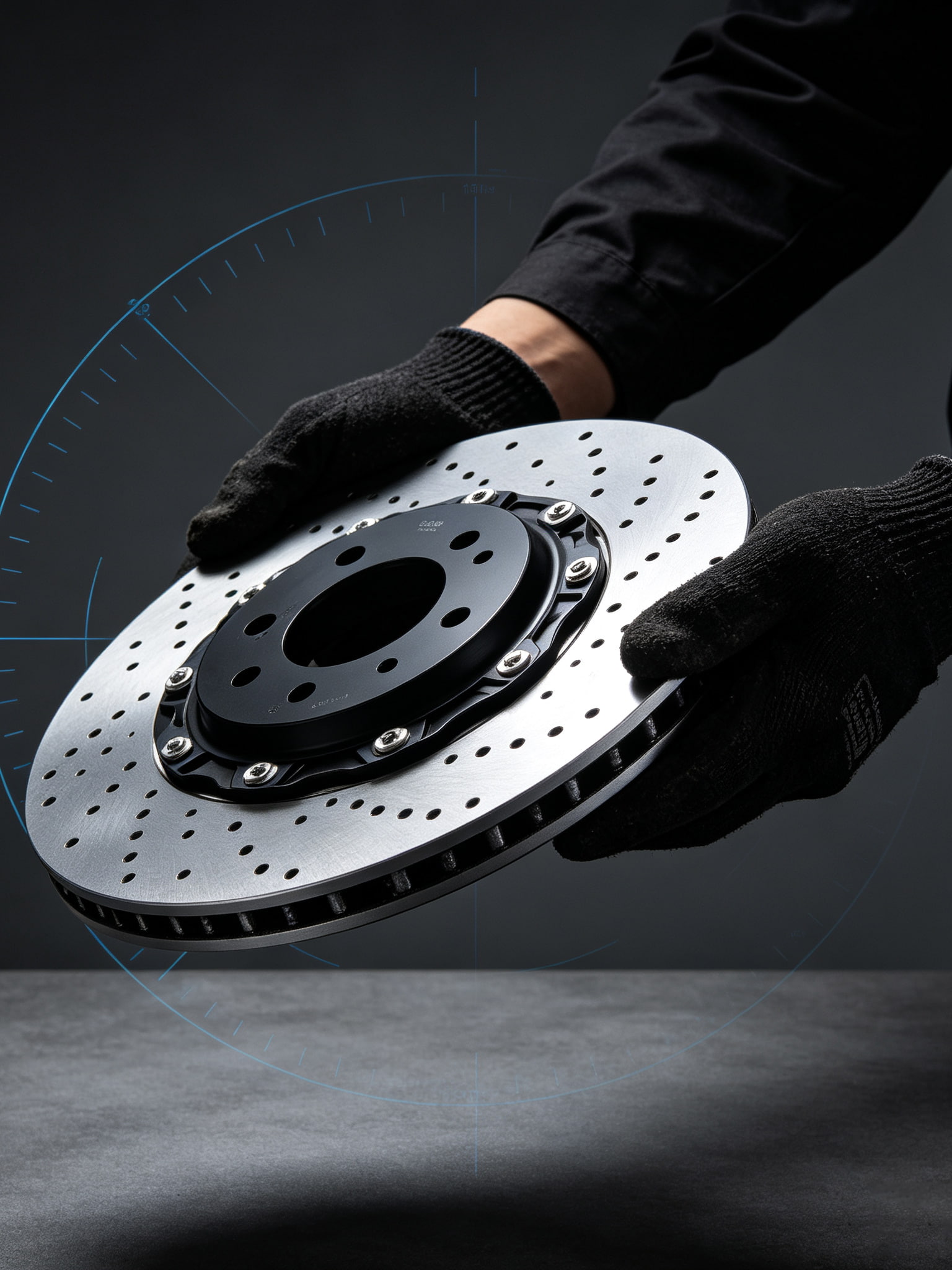
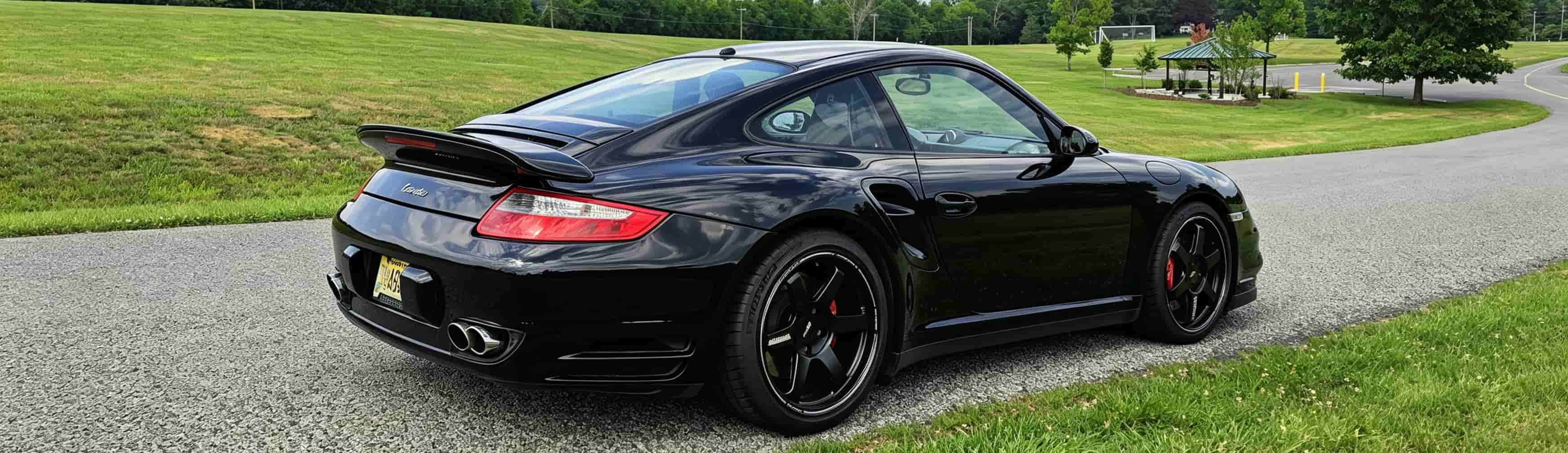
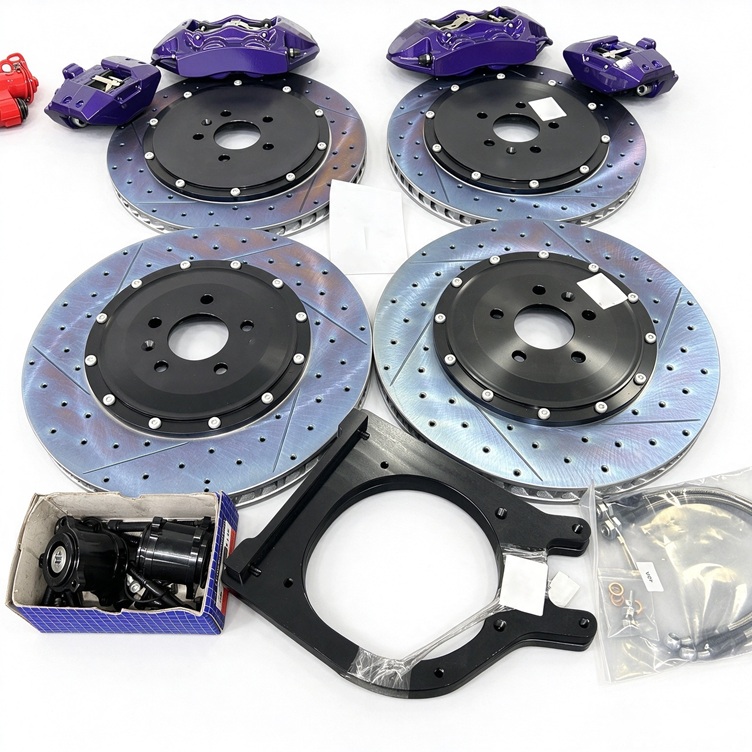
A big brake kit is an upgraded brake system. It replaces your vehicle’s factory-installed brakes with larger, more powerful components. You gain two major benefits from this swap: added friction and better heat dissipation. A system with bigger rotors and stronger calipers gives you more stopping force. A BBK also sheds heat faster during repeated hard stops. Many enthusiasts weigh the benefits of a big brake kit before they commit. Some choose a custom big brake kit to match their wheels and driving style. Others prefer high performance big brake kits built for track duty. Both paths deliver the same core advantage.
Key Takeaways
-
Big brake kits help your brakes stay cool during hard driving, so they work better for longer.
-
Upgraded brakes can shorten stopping distance and give you a firmer, more consistent pedal feel.
-
Check wheel clearance before buying a big brake kit to make sure everything fits safely.
-
Follow the break-in steps after installation to get the best performance from your new brakes.
-
Big brake kits cost more upfront, but they can improve safety and performance for the right driver.
Benefits of a Big Brake Kit
Heat Management and Fade Resistance
The primary advantage of a big brake kit is temperature management, not raw torque. Bigger brakes mainly buy you endurance. A larger rotor acts as a heat sink. It absorbs more heat before the system saturates, so you get more braking duration on a mountain run or a track session. If your stock tires already lock up, the upgrade delivers increased fade resistance rather than more braking force.
A larger brake pad absorbs and spreads more heat. It reduces pressure per square centimeter of pad surface, and it wears more slowly and evenly. Heat capacity is exactly what you need for track use. One reference build, the SEVP Autobahn kit, specifies 410 mm carbon-silicon carbide rotors (40 mm front, 32 mm rear) for heat capacity and fade resistance. Its front calipers are large six-piston Radi-CAL units paired with heavy-duty 380x36 mm, 72-vane AP J Hook discs, and its rear four-piston units cover 380x28 mm discs. Pads front and rear have a large swept area and hold a lot of heat.
Big brake kits are commonly misunderstood as adding braking power, but their real benefit is more braking duration: because the discs act as heat sinks, a larger rotor absorbs more heat, which helps during sustained braking such as mountain runs or track sessions.
Mechanism in a big brake kit
How it improves fade resistance
Larger rotors (more mass)
Greater thermal capacity, so more heat is absorbed before saturation
Larger brake pads
Greater surface area distributes frictional force, so the pad runs cooler
Two-piece directional rotors
Directional cooling is roughly 80% more efficient than straight-vane cooling
Forged aluminum calipers
Stronger with less deflection than cast iron under heat
Durability folds into this same story. Pads that run cooler wear more slowly and evenly. Calipers that flex less keep their seals and pistons happier over time. A well-chosen BBK also looks the part, with larger rotors and finished calipers filling the wheel well.
Stopping Power and Pedal Feel
Larger brake rotors and calipers provide greater clamping force and more surface area. That combination can reduce stopping distances. The benefits of a big brake kit include improved stopping power you can measure, not just feel.
Fixed multi-piston calipers clamp harder and more consistently than sliding units. Braking force at the pistons is directly proportional to total piston area for a given line pressure. More total piston area means more clamping force and greater stopping power. One trade-off deserves honesty: the larger fluid volume needed to move those pistons increases pedal travel, which can affect pedal feel. Well-matched master cylinder sizing keeps that travel in check and preserves a consistent braking response.
Benefits of a Big Brake Kit
Wait — that heading repeats. Let me correct the structure: the two H3s above belong under a single H2, and the keyword load belongs in the prose, not in duplicate headings.
Choosing the Right Brake Kit
Vehicle and Driving Style Match
Your vehicle type and driving style shape every brake kit decision. A daily sedan needs quiet, low-dust operation. A truck that tows needs heat dissipation under stress. Sports cars need heat resistance and precision engineering. Off-road rigs need debris resistance and cooling efficiency. Match the brake kit to that reality, and braking performance improves without compromising safety.
Tire choice matters as much as the calipers. Tires physically stop the vehicle, so they must match the pads' aggressiveness. Low-grip tires with aggressive track pads can trigger ABS too early. Overly sticky tires with a low-torque pad can lengthen stopping distance. Pad heat range follows the same logic. Street pads need a lower initial temperature range than road-course pads, and the wrong range causes glazing.
Track layout and driving experience also drive the call. Tracks with repeated medium straights and tight turns give brakes little time to cool. Novices may stab brakes and stay on them too long, which still punishes the system. Big brake kits can be expensive and may require additional modifications. Hosenly Auto Parts can serve as a reference point for quality components and fitment guidance. Performance drivers, towing and off-road users, and aesthetics enthusiasts benefit most. A custom big brake kit suits an unusual build; high performance big brake kits suit track duty. Many owners in big brake kit in singapore communities start with pads before a full BBK.
Wheel Clearance and Fitment
Measure before you buy. Find the distance from the hub center to the highest point of the caliper. Add about 3 mm for movement and heat expansion, then double it and round up to the nearest standard wheel size. Front calipers usually sit higher, so front brakes often need larger wheels than the rear.
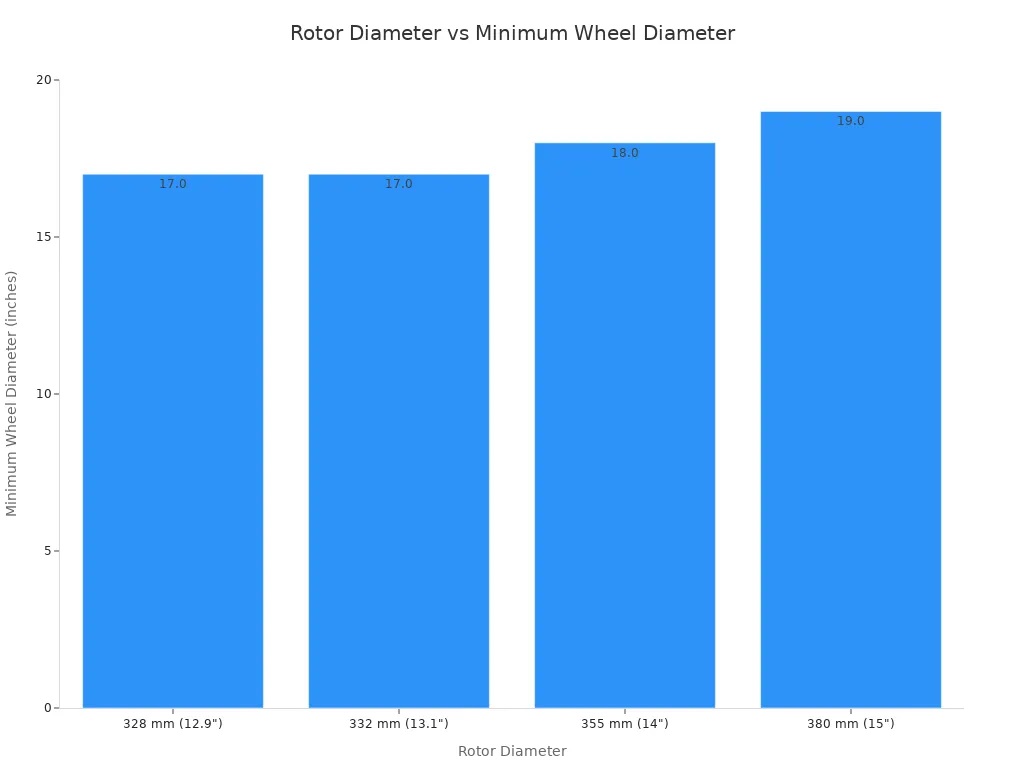
Rotor diameter sets a floor for wheel size:
|
Rotor Diameter |
Minimum Wheel Diameter |
|---|---|
|
328 mm (12.9") |
17" |
|
332 mm (13.1") |
17" |
|
355 mm (14") |
18" |
|
380 mm (15") |
19" |
Offset alone does not guarantee fitment. Two wheels with the same offset, diameter, and width can fit differently because spoke design varies. Check front and rear separately. Keep at least 2.5 mm between wheel and caliper in all directions, and 2 mm between disc and caliper radially. Proper fitment protects your brake rotors and your wheels. Test-fit every BBK, and confirm each BBK's clearance before purchase. Compare BBKs on paper first, then verify on the car.
Key Components of a Big Brake Kit
Calipers, Rotors, Pads, and Lines
Each part of a brake kit does a distinct job. The calipers create the clamping force. They press the pads against the rotors and slow the wheels. The pads supply the friction. Larger pads perform well in all weather. The rotors take the heat. Stronger rotors withstand pressure without overheating, so they last longer and reduce wear on the rest of the system. Stainless steel braided lines complete the package. They resist expansion under pressure and keep the pedal firm.
|
Component |
Function |
|---|---|
|
Brake calipers |
Clamp the pads against the rotor to slow the wheels |
|
Brake pads |
Create friction; larger pads work well in all weather |
|
Brake rotors |
Absorb heat and resist pressure without overheating |
|
Stainless steel lines |
Resist expansion and keep pedal feel firm |
Look at real hardware to see how these parts work together. One off-road BBK uses billet aluminum six-piston calipers with stainless steel pistons. Those pistons reduce heat transfer from the pads to the calipers, which lowers the risk of boiling brake fluid and extends seal life. Its rotors measure 350x34 mm with 48 curved directional cooling vanes per disc. High-performance brake calipers in 4-, 6-, and 8-piston setups appear across many BBKs, and rotor sizes range from 286 mm to 380 mm.
Component Quality and Brand Fit
Quality decides how a big brake kit behaves over time. Semi-metallic or ceramic pads resist heat and hold their friction. Slotted or drilled rotors shed heat faster and stay consistent under heavy use. Aluminum multi-piston calipers add clamping force and improve pedal feel. Braided lines stay firm where rubber lines expand. Upgraded caliper bushings cut flex and resist wear better than stock rubber.
Brand fit matters just as much. Matched kits from one maker are engineered to work together for consistent bite, noise, and wear. Pair an aggressive pad with a rotor not built for that compound, and you speed up rotor wear or cause noise. Confirm your exact year, make, model, trim, and axle before ordering, because some platforms carry multiple factory brake packages. Hosenly Auto Parts is one source for quality components and fitment guidance. A custom big brake kit suits an unusual build, while high performance big brake kits suit track duty. Either way, matched parts protect braking performance and stopping power.
Installation, Maintenance, and Fit
Installation and Maintenance Considerations
A big brake kit rarely bolts on without thought. Some BBKs need new wheels, spacers, or a master cylinder check. Smaller garages may avoid the work without training or fitment data. Accurate fitment data and installer training reduce vibration complaints later.
After installation, follow a bedding sequence. Torque the wheel nuts to the original manufacturer's specification. Then drive at low speed in a safe location and make a few light brake applications. Stopping power stays low until the friction materials bed in.
-
On a safe, legal road, drive at 40–60 mph (60–100 km/h).
-
Apply light-to-moderate pedal effort to shed about 30 mph (50 km/h), avoiding complete stops.
-
Accelerate back to speed and repeat about ten times.
-
Drive without braking to let the brakes cool.
Expect roughly 125 miles (200 km) of urban driving to finish pad bed-in. Check pads regularly and replace them when less than 2 mm of friction material remains. Clean the pad location faces with brake cleaner and a stiff brush. Replace brake rotors when thickness drops below the minimum marked on the disc, when face grooves wear away, or when cracks appear.
Cost and Ownership Expectations
Budget beyond the box. A quality big brake kit from brands like StopTech, Brembo, or AP Racing runs $1,500–$5,000+. Professional installation adds $500–$1,000. Total cost depends on caliper size, rotor diameter, and whether you need new wheels for clearance.
|
Cost Component |
Typical Range |
|---|---|
|
Big brake kit purchase |
$1,500–$5,000+ |
|
Professional installation |
$500–$1,000 |
Long-term costs deserve the same attention. Carbon ceramic rotor replacement is expensive, so many owners choose cast iron alternatives. Premium imported BBKs also carry currency and import markup risk. One Brembo Greenance Kit reportedly cuts total ownership cost by about 15% while reducing particulate emissions by 80%. Weigh kit cost against OEM replacement over time. High performance big brake kits and a custom big brake kit both reward proper fitment and quality parts, and that combination protects braking performance and brake performance for years.
A big brake kit is an upgraded brake system that swaps factory parts for larger, more capable components. The benefits of a big brake kit center on heat management, fade resistance, stopping power, and pedal feel. You gain improved stopping power and a consistent braking response. These benefits of a big brake kit also include better braking performance overall. The right brake kit depends on your vehicle, driving style, and fitment. Quality components from Hosenly Auto Parts support long-term overall brake performance. Compare BBKs on paper, then test-fit before you buy. Weigh the benefits of a big brake kit against your real driving needs, and let that answer decide.
FAQ
Does a big brake kit always shorten stopping distance?
No. Tires limit stopping distance more than brakes do. A big brake kit pays off in repeated hard stops, where heat management and fade resistance matter. If your tires already lock up, a BBK mainly adds endurance and a firmer pedal.
Do I need bigger wheels for a BBK?
Often, yes. Rotor diameter sets a floor for wheel size, and spoke design affects clearance too. Measure hub center to caliper top, add about 3 mm, and confirm fitment before you buy. Test-fit every brake kit on the car.
Is a big brake kit worth it for daily driving?
It can be, if you match the kit to your routine. Daily drivers gain from consistent pedal feel and cooler pads. Track-focused owners gain more from high performance big brake kits. An unusual build may call for a custom big brake kit instead.
Do I have to bed in new brakes after installation?
Yes. Bedding transfers a layer of pad material onto the rotor. Make about ten light-to-moderate stops from 40–60 mph without coming to a full stop, then drive to cool the brakes. Expect roughly 125 miles of urban driving to finish.
How do I know when to replace BBK pads and rotors?
Check pads regularly and replace them when less than 2 mm of friction material remains. Replace rotors when thickness drops below the minimum marked on the disc, when face grooves wear away, or when cracks appear. BBKs reward this simple routine.